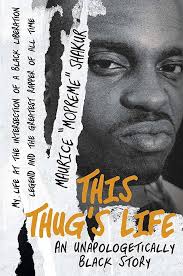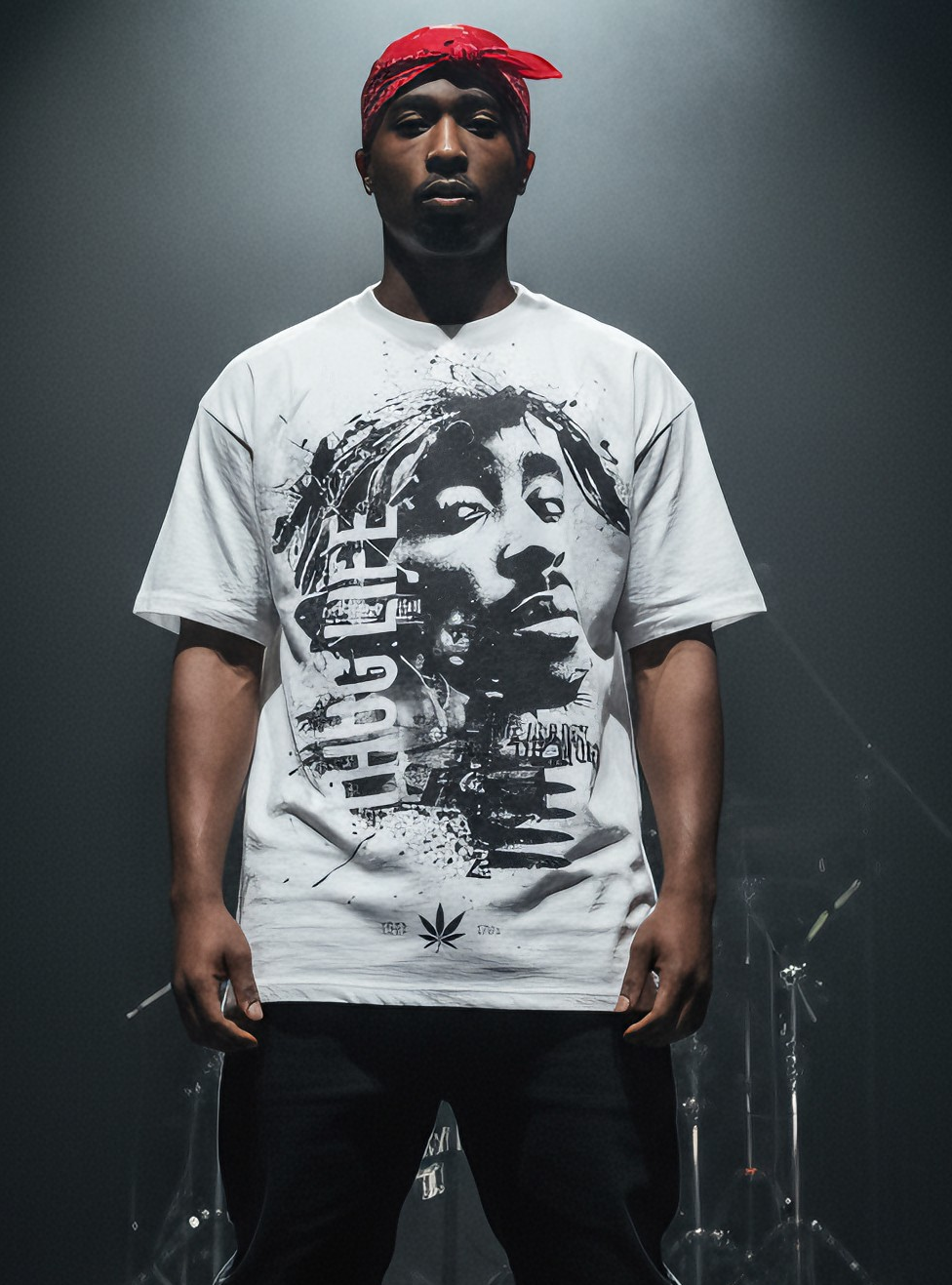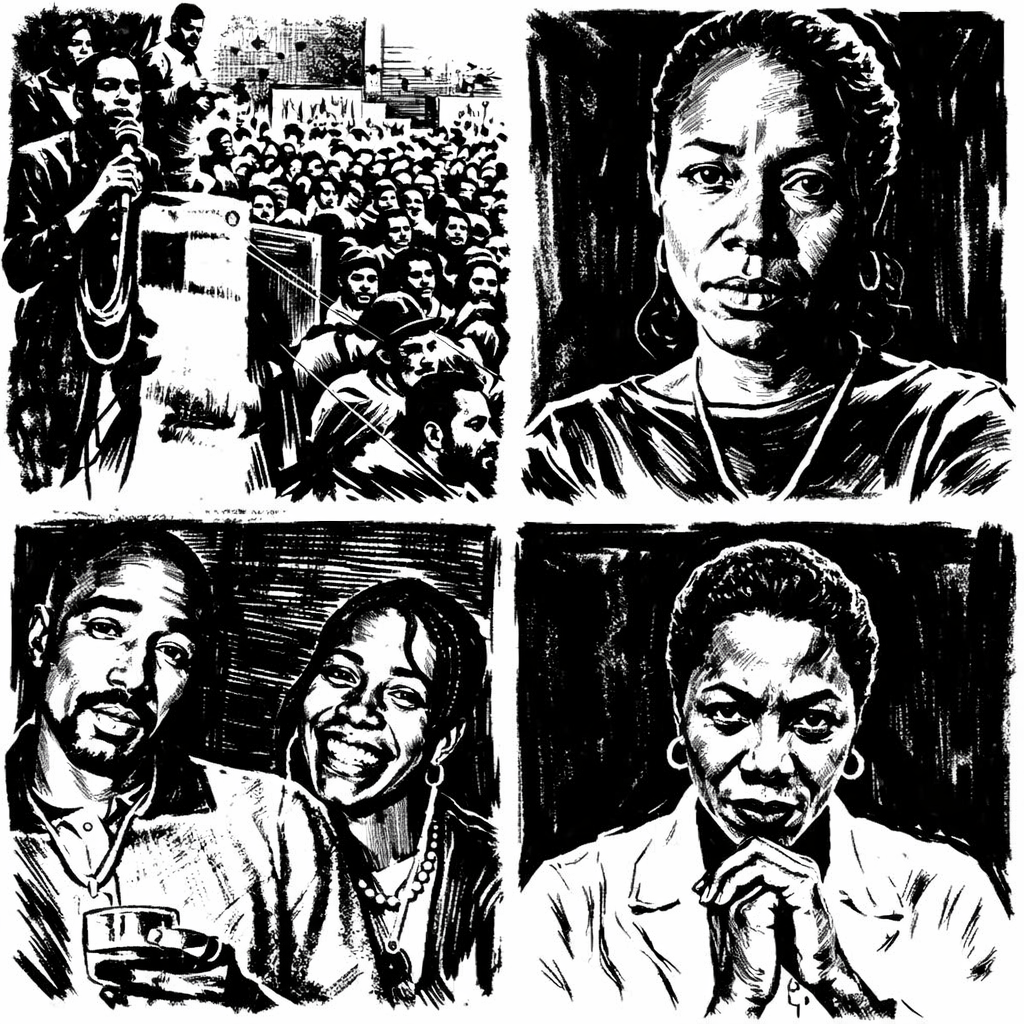
Dear Mama Thug Life Reels
Afeni Shakur was a committed activist whose choices left a lasting mark on American culture and hip-hop. She stepped into a political movement that challenged systemic injustice, and she lived a life shaped by resistance, sacrifice, and resilience.
Born Alice Faye Williams in Lumberton, North Carolina, Afeni moved to New York as a young woman. Once there, she became deeply involved in community politics and joined the Black Panther Party during a period of intense social change. The Panthers built local support networks, ran education programmes, and organised against racial discrimination and police abuse.
In Harlem, Afeni rose quickly. She recruited and trained new members, helped drive community initiatives, and built a reputation for sharp thinking and fearless energy.
Outbound link suggestion (add anywhere in this section)
Add a link to a reputable Black Panther Party history page (e.g., Smithsonian, Britannica, Stanford, or an archive).
Afeni Shakur Activism and the Panther 21 Trial
In April 1969, Afeni and 20 other Panthers were arrested in a case later known as the Panther 21. Authorities charged them with conspiracy and related offences tied to alleged violent acts in New York City. The stakes were massive, with potential sentences that could have kept them in prison for decades.
While pregnant with her son Tupac, Afeni chose to represent herself in court. She built her strategy carefully, questioned witnesses directly, and pushed back hard against government claims and infiltration tactics. After an eight-month trial, the jury acquitted all defendants.
That courtroom win mattered. It kept Afeni free and set the stage for the birth of Tupac Amaru Shakur soon after.
Outbound link suggestion
Add a link to a credible overview of the Panther 21 case (museum, academic, or major publication).
Afeni Shakur Activism and Raising Tupac
Tupac was born into a family shaped by political struggle. Afeni and other relatives had deep ties to the Black Panther movement, and the name Tupac Amaru Shakur reflected a wider sense of cultural identity and resistance.
Afeni’s activism also shaped Tupac’s early world. He grew up around political conversations, community organising, and the consequences that came with it. As a result, his perspective on injustice, inequality, and survival formed early. Later, those themes became central to his writing.
From Political Struggle to Cultural Voice
Tupac’s lyrics didn’t only reflect personal hardship. They also echoed broader social pressures rooted in the environment Afeni fought through. Songs that touch on discrimination, poverty, surveillance, and resilience connect back to the reality she lived and the lessons she passed on.
Her influence is especially visible in Dear Mama, where Tupac explores love, struggle, and family with rare honesty. The song remains one of hip-hop’s most acclaimed records, partly because it shows that complexity without trying to simplify it.
Legacy Beyond the Movement
After Tupac’s death in 1996, Afeni protected and promoted his work. She founded the Tupac Amaru Shakur Foundation and later helped manage parts of his legacy through Amaru Entertainment, working to ensure archival material and releases stayed respectful.
Afeni’s legacy now lives in two powerful lanes. First, as a political figure who fought for community empowerment. Second, as the guiding influence behind one of hip-hop’s most powerful cultural voices.
Outbound link suggestion
Add a link to the Tupac Amaru Shakur Foundation (official site) or a trusted profile about it.
Why Afeni Shakur Activism Still Matters
Afeni Shakur matters for more than one reason:
- She confronted legal and political systems when the stakes were life-changing.
- She balanced activism with motherhood under intense pressure.
- She shaped Tupac’s worldview, which later shaped hip-hop.
- She connected political struggle to cultural expression in a way people still recognise.
Afeni Shakur is not a footnote. She’s a link between the radical activism of the 1960s and 1970s and the cultural voices that followed.
Related
You can buy the Dear Mama T-shirt here.