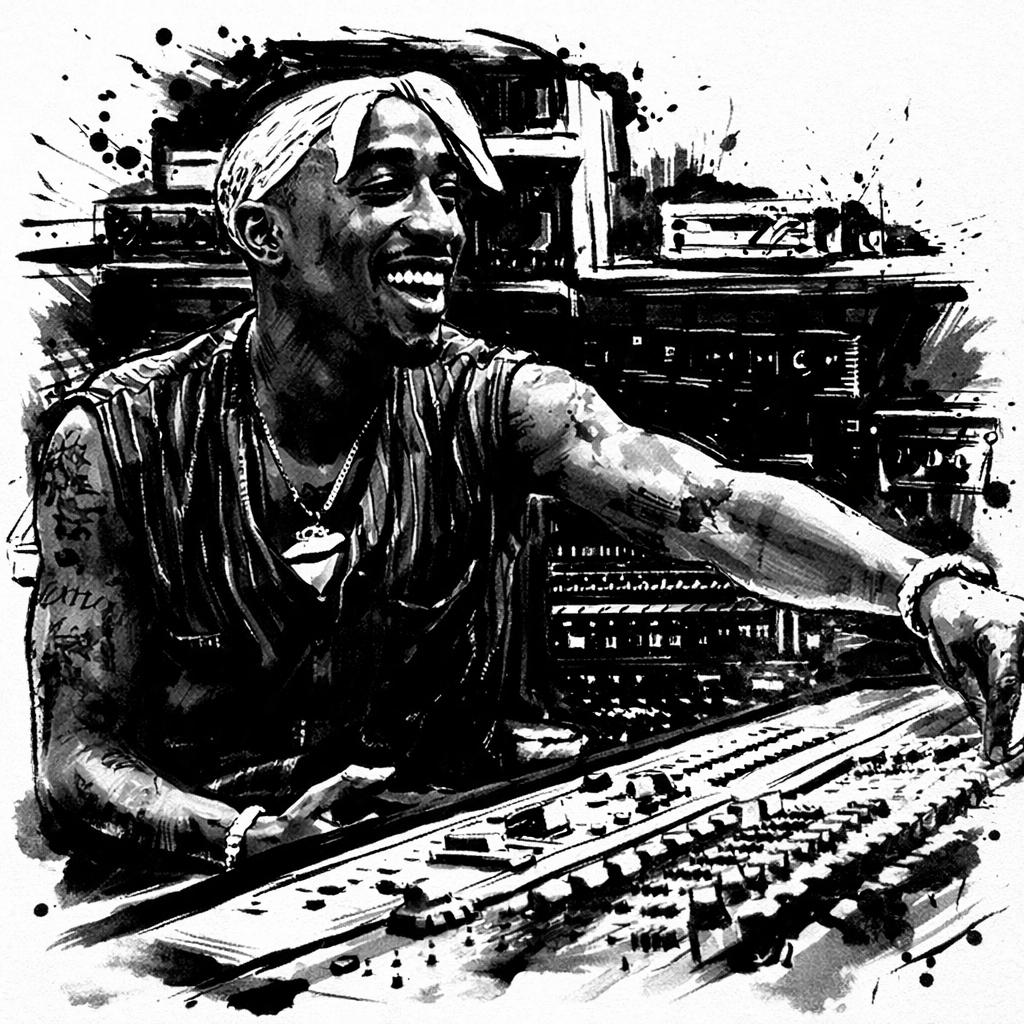
How Tupac Changed Rap
A legacy that still feels personal
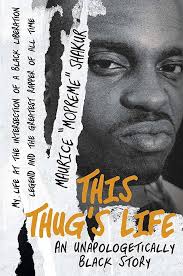
Tupac didn’t just make rap music. He changed what rap could carry.
Hip hop already had legends before him, but Tupac brought something that felt dangerously close to real life. He mixed street reality with poetry in a way that sounded like a diary written under pressure. He spoke about poverty, racism, family struggles, and survival with an honesty that didn’t feel like performance. It felt like someone trying to make sense of life in public.
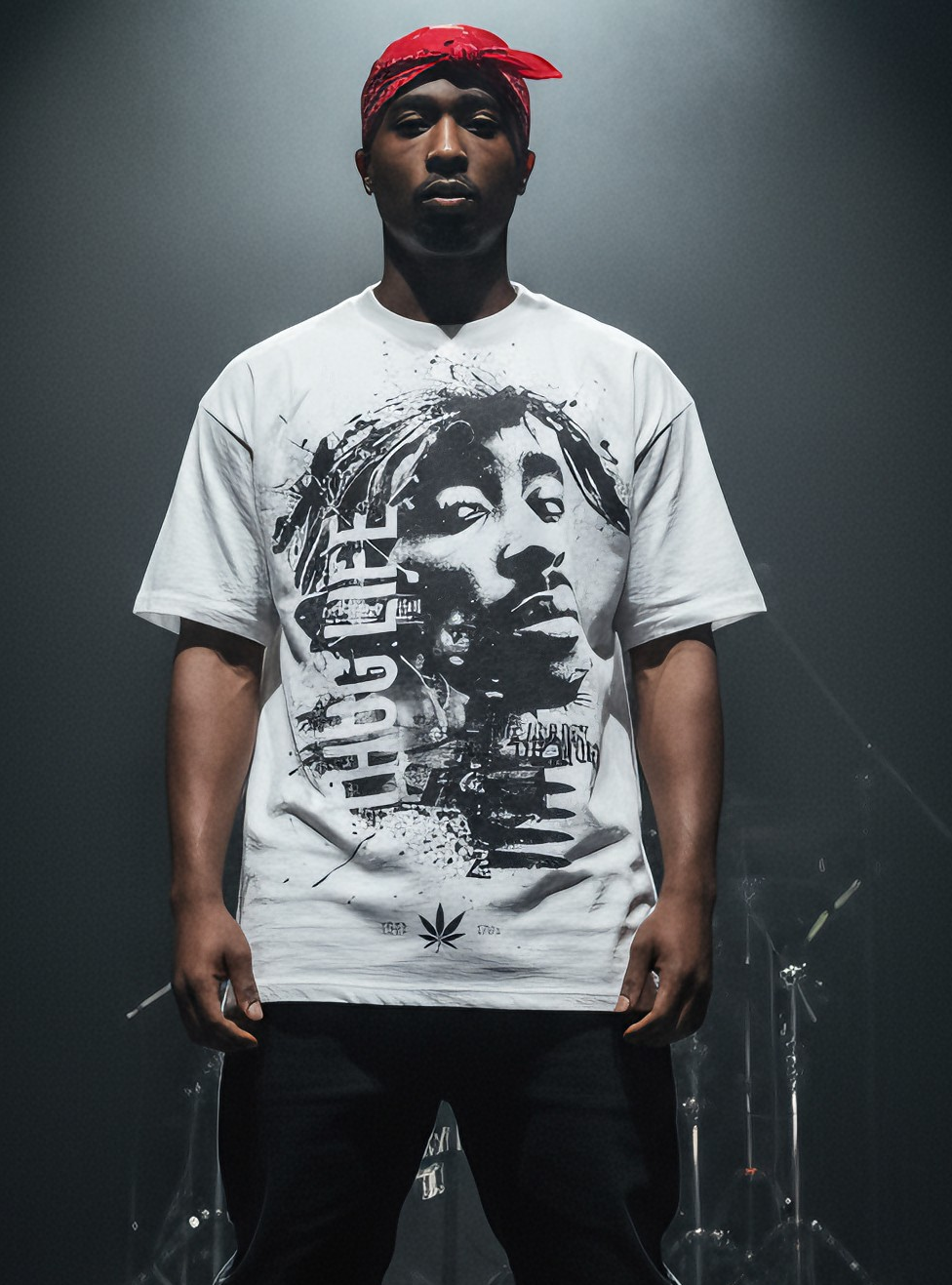
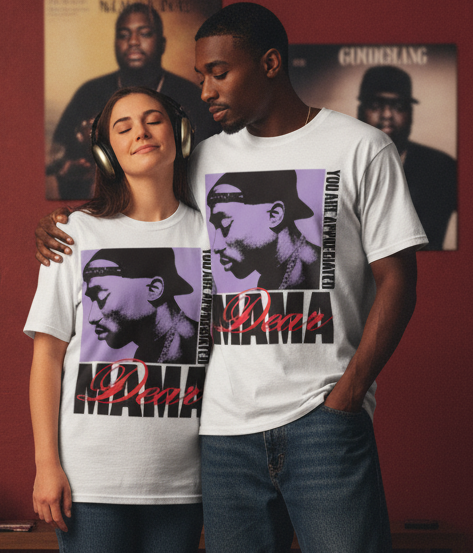
Tupac Dear Mama Official T-shirt – Click here
That’s one of the main reasons his music still connects with new generations today. Even when the world changes, the emotions he put into the records don’t age.
He made emotion unavoidable
In the 90s, rap often had an unspoken rule: never look weak, never show fear, always stay hard. Tupac broke that rule without asking for permission.
He could be protective and loving, then furious and fearless, then reflective and wounded. That range wasn’t a gimmick. It felt like a real person on wax. And that shifted the culture. After Tupac, it became normal for artists to admit pain, regret, loneliness, and love, not as “softness”, but as truth.
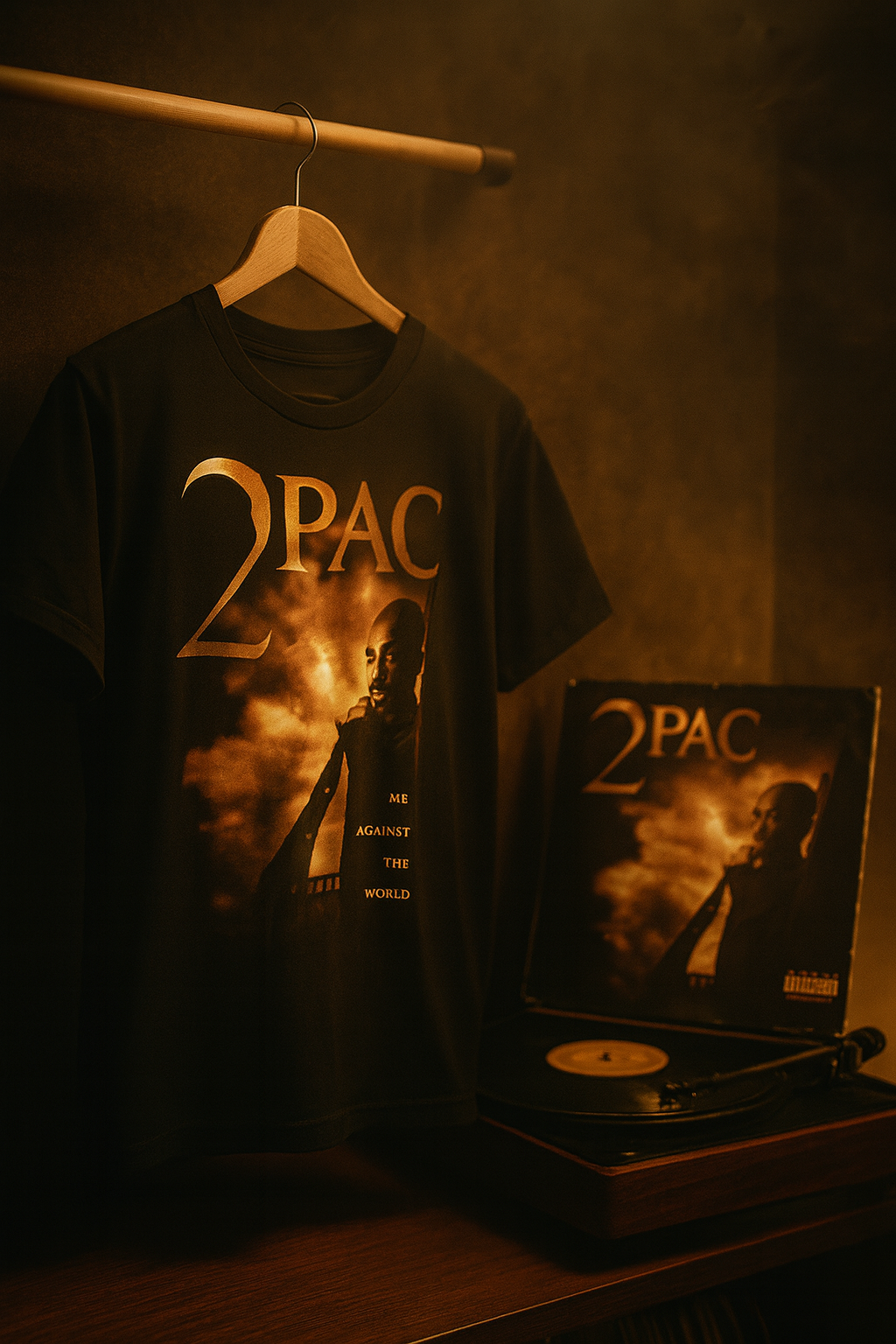
Tupac – Me Against The World T-shirt – click here
You can hear that influence in modern rap everywhere: the emotional openness, the confessional writing, the way artists speak about family trauma, pressure, anxiety, and loss. Tupac didn’t invent emotion in rap, but he made it impossible to ignore at the mainstream level.
Street reality with a poet’s voice
Tupac didn’t just describe the streets. He painted them.
His writing could turn everyday struggle into scenes you can see: a mother holding everything together, a young person growing up too fast, friends getting lost to bad choices, a community trying to survive with dignity. He made stories feel cinematic, not because the words were complicated, but because they were clear and vivid.
That blend of realism and poetry helped rap expand. It made room for deeper storytelling without losing the raw edge that hip hop came from.
If you want a clean example of how he balanced reflection and directness, look at the tone across Me Against the World: personal, heavy, honest, but still accessible and powerful.
He proved you can be mainstream and meaningful
Tupac also shattered a different rule: that you have to choose between being popular and being deep.
He had records that could live on radio and in clubs, but he also carried messages about social reality that forced people to listen. That’s why he became more than an artist. He became a voice. Even when people disagreed with him, they paid attention.
After Tupac, the lane of “conscious but commercial” stopped being rare. He made it a real blueprint: you can reach millions and still speak about what’s happening in the streets, in families, and in the system.
He raised the standard for authenticity
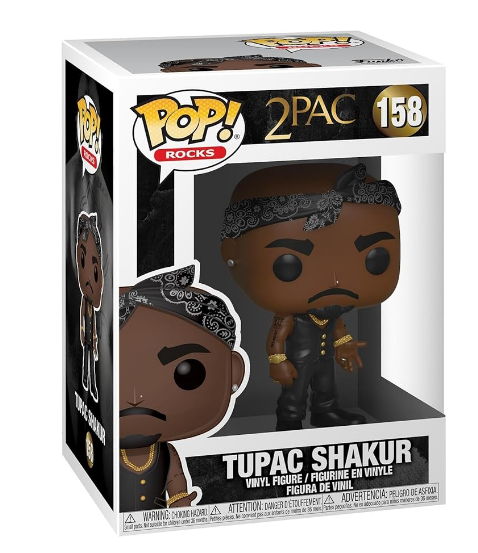
Tupac’s influence went far beyond music. The bandana style, the tattoos, the way he carried himself, the way he spoke in interviews, all became part of hip hop identity.
But the deeper influence was this: he made authenticity matter.
After Tupac, fans didn’t just ask “Is the song good?” They asked “Do I believe you?” That changed the culture permanently. It pushed artists to be more honest, more present, and more accountable to their own stories. Tupac wasn’t perfect, and he didn’t pretend to be. That made him feel real, and real is what people remember.
His interviews became part of the art
Tupac’s interviews are still quoted because they weren’t safe or polished. He spoke with urgency, like time was running out. He challenged people, challenged media narratives, and spoke about injustice with a mixture of anger and intelligence.
That presence shaped what it means to be a cultural figure in rap. He wasn’t just promoting music. He was arguing for a reality that many people lived but rarely saw represented honestly. That’s why he still feels like more than a rapper to many fans.
The Makaveli era and the mystery that kept the story alive
Another part of Tupac’s legacy is the mystery that surrounds him.
The Makaveli era, the unfinished ideas, the sense that his story ended too soon, all of that kept the conversation alive across generations. It also made his catalogue feel like an open book people keep returning to for meaning.
The tragedy of his death turned his story into history. The mystery turned it into myth. And when myth and history mix, a legacy becomes almost impossible to silence.
Why Tupac still matters today
Tupac is not just remembered. He is still studied, quoted, and felt through every generation that discovers real hip hop.
His impact shows up in modern rap’s emotional honesty, in the importance of storytelling, and in the expectation that artists should stand for something beyond image. Trends fade. Sounds change. But when an artist makes people feel seen, that connection lasts.
In hip hop is history, Tupac is one of the chapters that will never close.
Sources and further reading
- Library of Congress entry for Dear Mama (National Recording Registry context).
- Library of Congress essay PDF on Dear Mama (easy to reference and quote small snippets if you ever need).
- Netflix listing for Tupac: Resurrection (official streaming page where available).
- Pitchfork feature: The 100 Best Rap Albums of All Time (useful for broader canon/legacy framing).
- Rolling Stone 500 Greatest Albums page for All Eyez on Me (good “mainstream reference” signal).